Danish
  German language
  Українська
  العربية
  ဗမာစာ
ဗမာစာ  नेपाली
  ไทย
ไทย  Polski
  Español
  Italiano
  French
  ትግርኛ (Tigrinya)
  فارسی (Fārsī)
  Ikinyarwanda (Congo)
  Bosanski
  پښتو
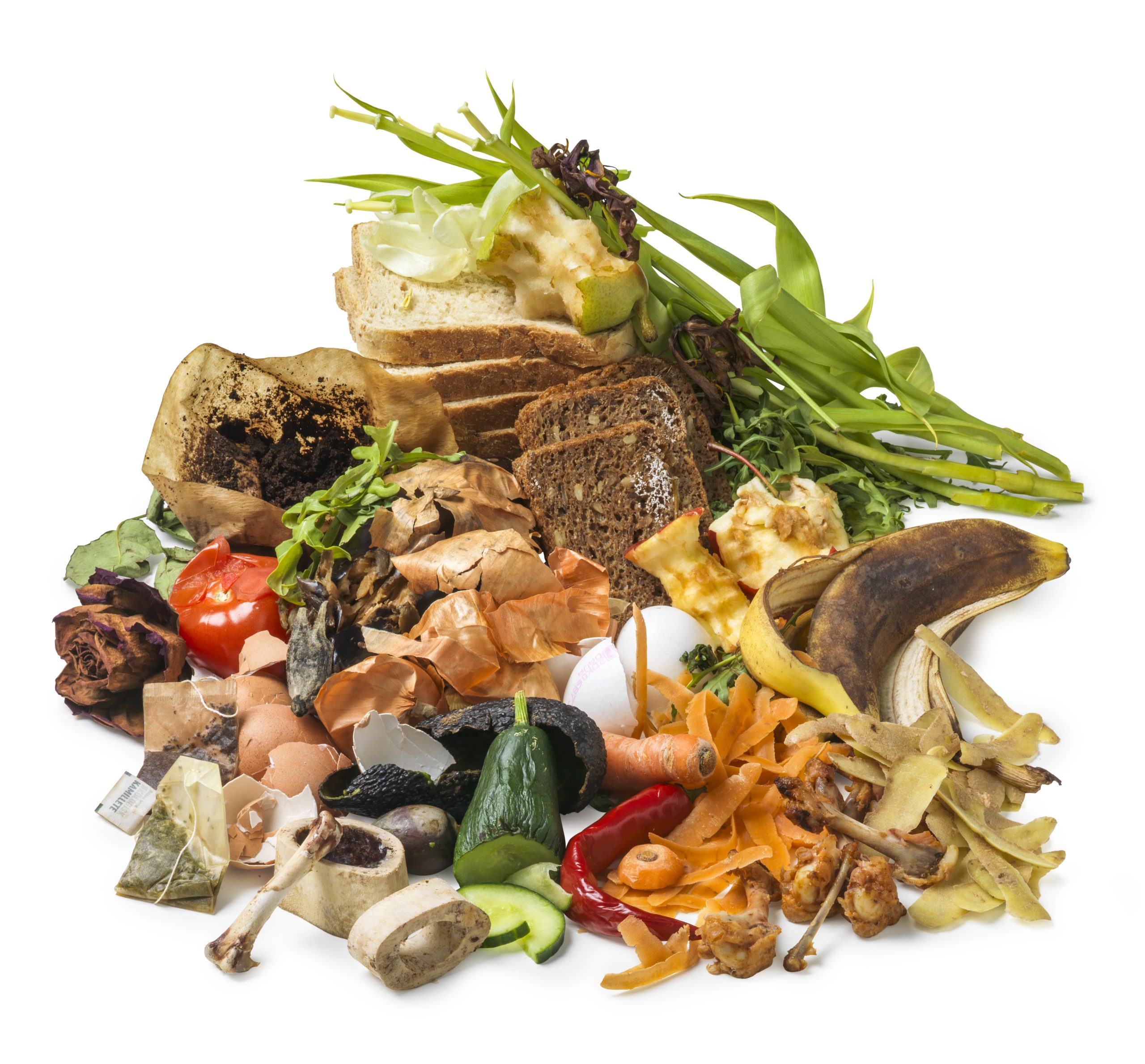
پښتو Food waste provides energy for the green transition
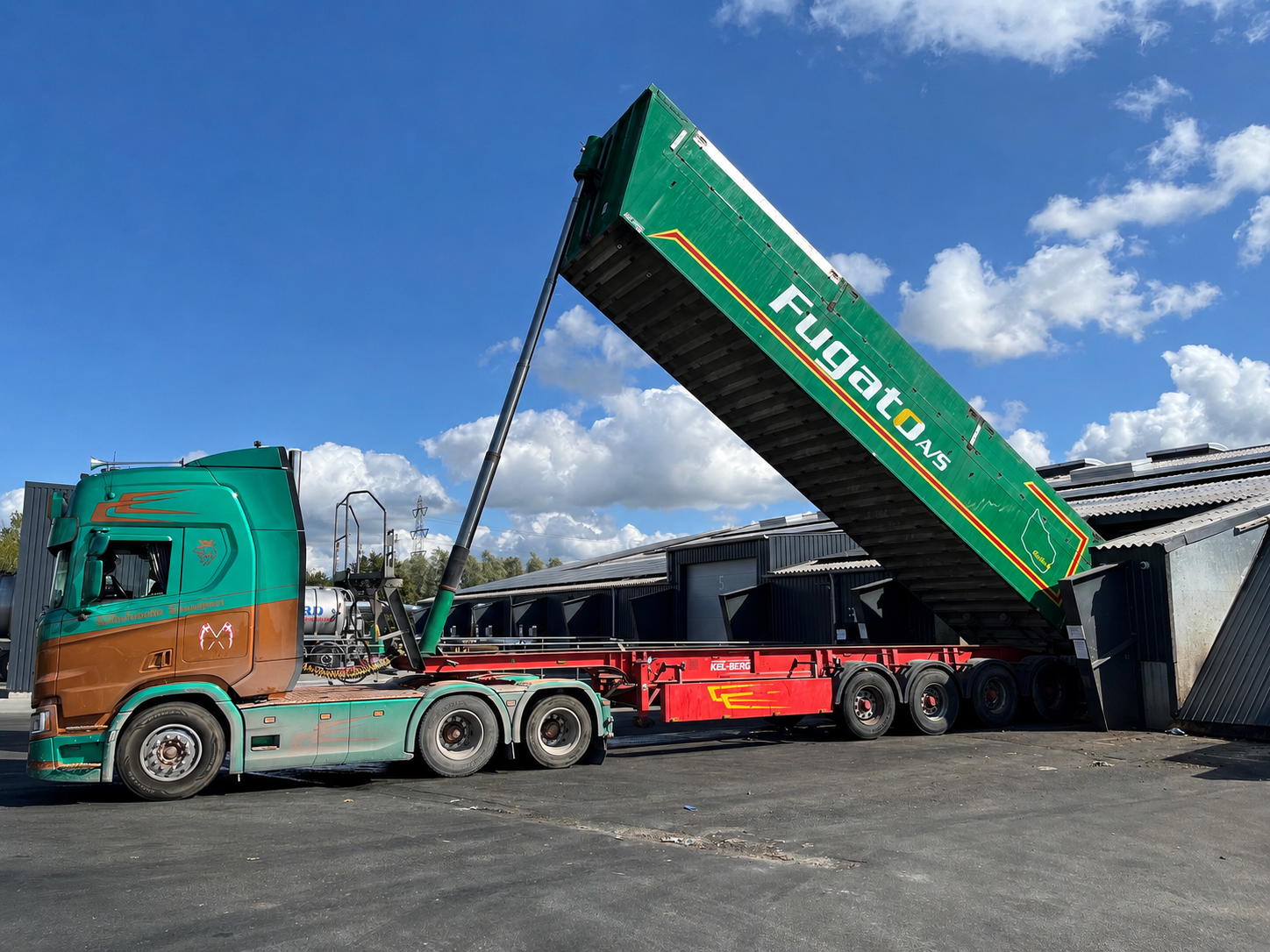
When you sort your food waste at home or in an environmental station, it is collected and transported for transshipment at Fugato in Snogebæk.
From here, the food waste is transported to Gemidan in Ølstykke*, where it undergoes pre-treatment. Large impurities such as plastic bags, cans, and other incorrectly sorted items are removed so that the food waste can be utilised as effectively as possible.
From food waste to bio-pulp
After pre-treatment, the food waste is mixed with water and converted into a thick, greyish mass called biopulp.
The biopulp is then sieved to remove any remaining plastic and other impurities. It is then transported to a biogas plant in Zealand.
Good sorting yields more biogas
When the bio-slurry is free from too many impurities, the biogas plant can extract up to 150 m³ biogas per tonne of food waste – equivalent to approximately 230 kWh energy. Your food waste can be turned into biogas with an energy content equivalent to approximately 3 weeks of electricity consumption in an average household.
Around 15 % of food waste consists of plastic and other impurities that cannot be converted into biopulp. This residual material is sent for incineration.
The better the food waste is sorted, the more biogas can be produced. Therefore, it is important that remnants of plastic, foil, and other materials do not end up in the food waste.
On Bornholm, approximately 3,000 tonnes of household waste, which can be converted into green energy.
Did you know that…
Når biopulpen har afgivet sin energi på biogasanlægget, efterlades et næringsrigt restprodukt kaldet digestive biscuit.
Digestate can be used as fertiliser in agriculture and is also approved for use in organic farming.
Why do we use plastic bags and not bioplastics?
On Bornholm, food waste must be deposited in ordinary plastic bags. The bags are sorted out during pre-treatment before the food waste is recycled.
Therefore, the bioposer offers no advantage in the current treatment process.
The food waste is sent to Zealand because it has not been economically feasible to establish a pre-treatment plant on Bornholm.